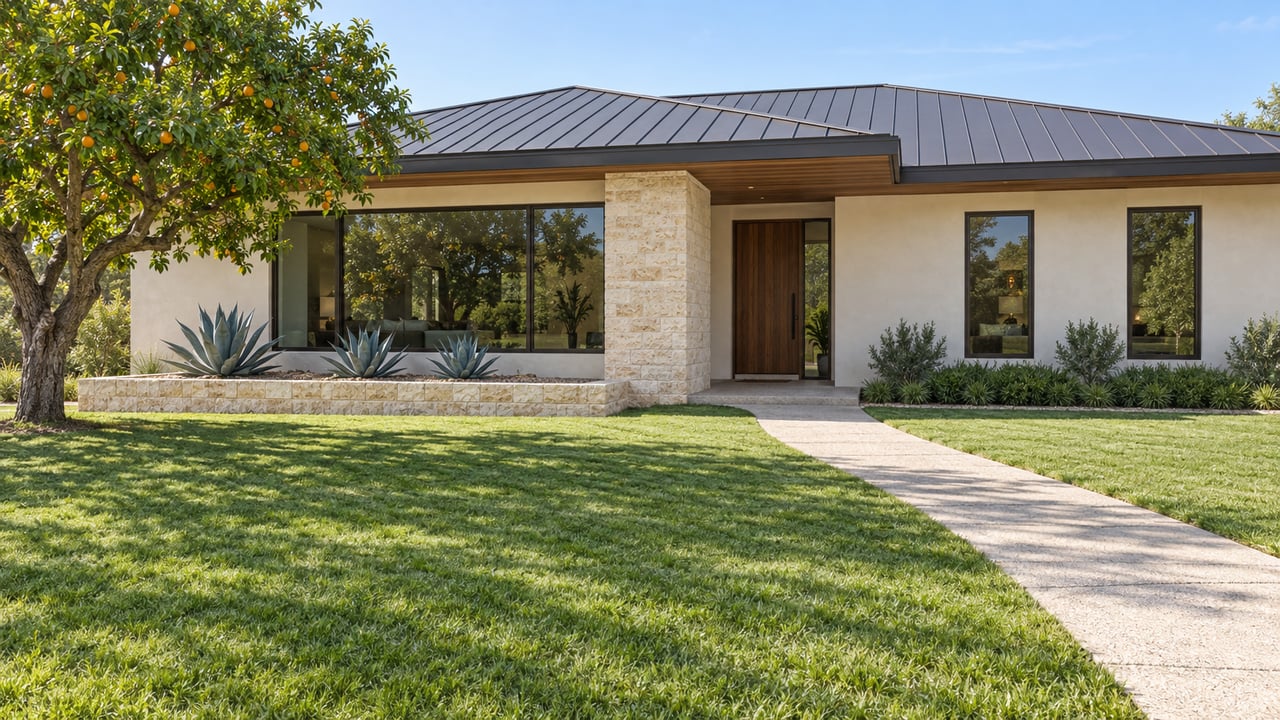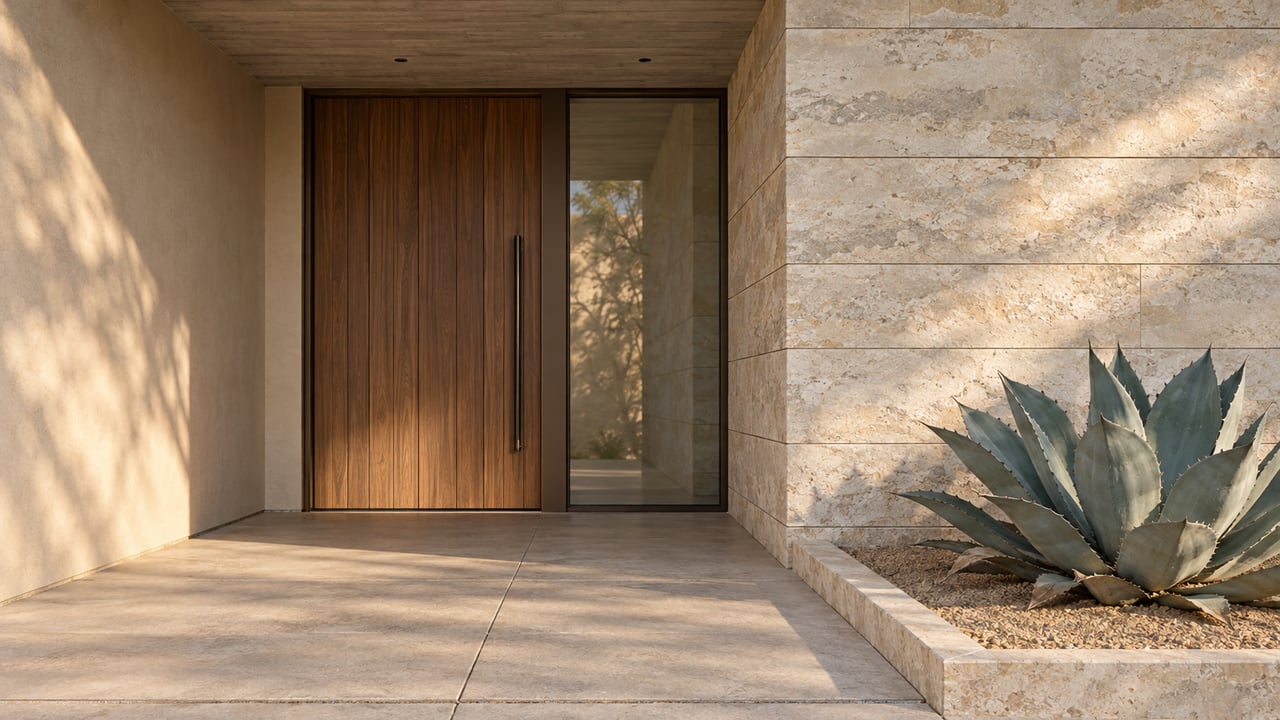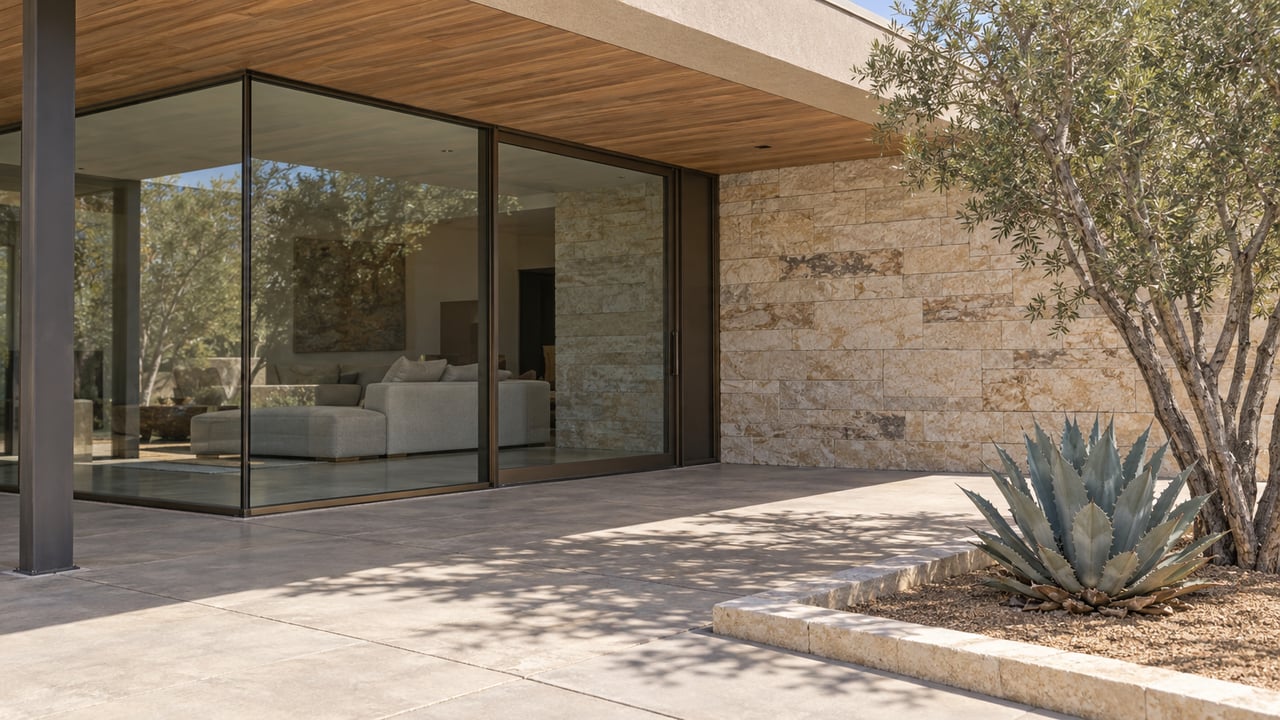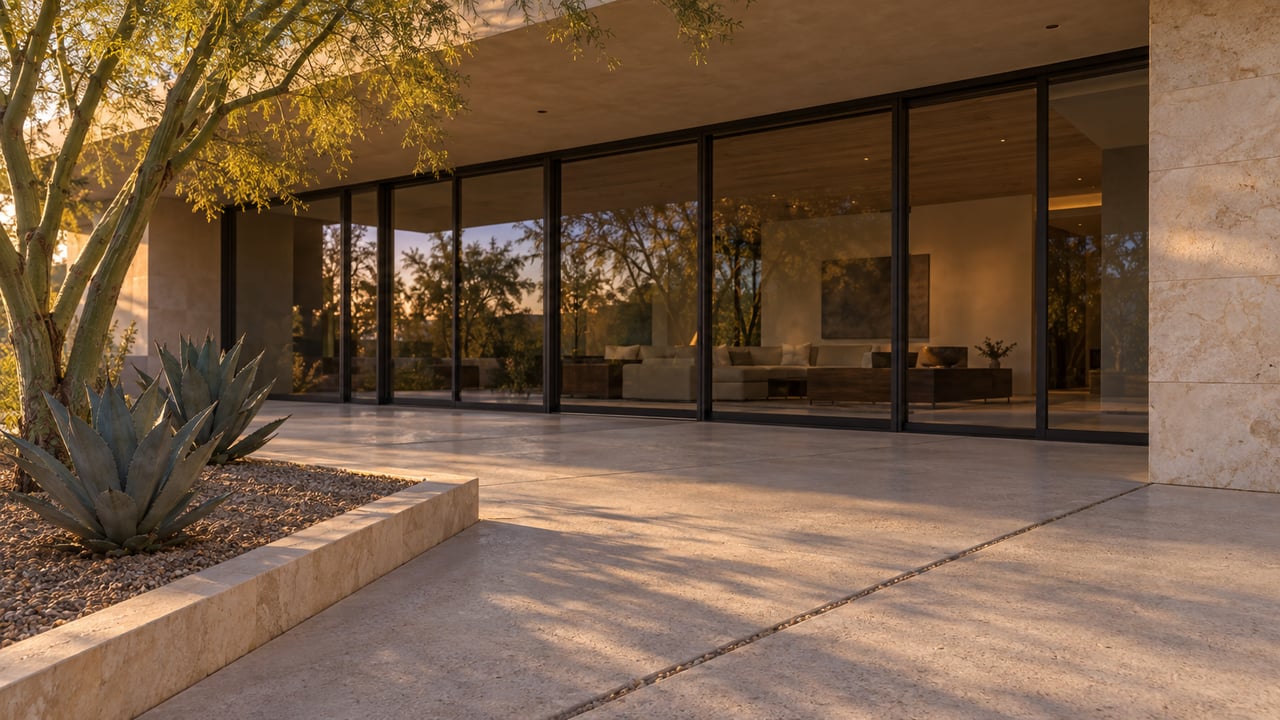
Two homes closed in the Biltmore in May 2026. One was a top-floor penthouse at Two Biltmore Estates, the 38-unit tower on the golf course, which sold for $4.79 million. The other was a custom estate on Biltmore Estates Circle with 175 feet of frontage on the golf course, which closed around $6.2 million. The second buyer paid roughly $1.4 million more for their address.
There's a decent chance the second buyer pays less in sub-association dues each month, though that alone doesn't mean a smaller total monthly bill.
That's the part a purchase price never tells you in the Biltmore, and it's the reason a straight price-per-square-foot comparison between a condo and a custom estate here can mislead a buyer who assumes the more expensive property always carries higher sub-association dues. In this neighborhood, purchase prices and sub-association dues can move independently, and the direction they move in surprises people who haven't shopped both product types side by side.
The Median Is Real. It Just Isn't the Number That Runs Your Monthly Budget
As of mid-2026, the Biltmore's median sale price sat around $1.478 million, with an average sale price near $1.92 million and a price per square foot close to $497. Those are legitimate numbers, but they average across a market that includes condos starting in the mid-$600,000s and custom estates on Biltmore Estates Circle that exceed $13 million. A median drawn from that range tells you almost nothing about the association dues for a specific address.
Cash is also a bigger factor here than in most Phoenix submarkets. Roughly 40 percent of recent Biltmore closings were cash purchases, well above the metro norm, which reflects an equity-rich buyer pool that tends to shop on lifestyle fit and total cost of ownership rather than financing terms. That's exactly the buyer who can be surprised when purchase price and sub-association dues don't track together.
The Fee Structure Runs Opposite the Price Tag
The Biltmore isn't one HOA. It's a master association layered over roughly a dozen sub-associations, each governing a different product type, and each charging dues that reflect what that sub-association actually does, not what the real estate underneath is worth.
| Sub-community | Product | Typical price range | Sub-association monthly dues | What the dues fund |
|---|---|---|---|---|
| Biltmore Estates Circle | Custom single-family estates | $1.4M to $13M+ | $400 to $650 | Architectural guidelines only |
| Biltmore Courts | Gated condos and patio homes | Mid-$600Ks to $1.5M | $480 to $750 | Pool, spa, gate, exterior maintenance |
| Biltmore Greens, Shores, Square | Condos and patio homes | Varies | $300 to $700 | Landscaping and shared grounds |
| Biltmore Gates | Single-family homes (built 1979-1982) | $1.4M to $2.5M (3BR range) | $710 to $850 | Perimeter and community upkeep |
| Biltmore Hillside Villas | Gated villas | $1.8M to $4M | $850 to $1,400 | Exterior, landscaping, pool, guard service |
| Two Biltmore Estates | 38-unit luxury tower | $2.5M to $5M+ | $1,200 to $2,200 | Guard, concierge-level service, tower operations |
Read down that dues column and the pattern breaks the assumption most buyers walk in with. Biltmore Estates Circle, the most expensive real estate in the entire neighborhood, carries some of the lowest dues, because its HOA does one job: enforce architectural review on custom homes. There's no shared roof, no elevator, no lobby staff, no guard payroll to spread across a small unit count. Two Biltmore Estates sits at the other end. It's a 38-unit tower with round-the-clock guard presence and building systems that have to be maintained and insured collectively, so every owner's monthly bill carries a slice of an operating budget that a single-family lot on the Circle simply doesn't have.
Biltmore Hillside Villas lands in between for the same reason: gated, guarded, and landscaped, but low-rise villas rather than a full tower, so the dues sit lower than Two Biltmore Estates but well above the Circle's architectural-only fee.
What the Sub-Association Dues Gap Adds Up to Over Ten Years
Go back to those two May 2026 closings. The Two Biltmore Estates penthouse falls within its community's published sub-association dues range of $1,200 to $2,200 a month. The Biltmore Estates Circle estate falls within its community's sub-association dues range of $400 to $650 a month. Depending on where each specific unit lands inside those bands, the monthly sub-association dues gap between them could run anywhere from $550 to $1,800, meaning $6,600 to $21,600 a year in dues alone, favoring the more expensive property.
Carry that sub-association dues gap for ten years and you're looking at $66,000 to $216,000 in cumulative sub-association dues, a spread that swings entirely in favor of the buyer who paid $1.4 million more up front. A buyer comparing these two properties on price per square foot alone would never see it, because that math stops at the closing statement. The dues keep running long after.
This is also why "Biltmore" as a search term flattens two genuinely different ownership experiences into one number. A condo buyer here is often paying for a service package: guard gate, concierge presence, shared amenities, building insurance folded into the master policy. An estate buyer on the Circle is paying for land, architecture, and privacy, with almost none of that service overhead. Neither is the wrong choice. They're just different products wearing the same neighborhood name.
A Third of the Priciest Sales Never Show Up in What You're Comparing
There's a second complication layered on top of the fee structure. Roughly 30 percent of Biltmore closings above $3 million in the past 12 months transacted without ever appearing on a public portal. That means a buyer trying to research comparable dues and sale prices at the top of the market by scrolling listing sites is working from an incomplete data set by design. The properties most likely to be off-market are exactly the custom estates on Biltmore Estates Circle and the larger villa transactions where the sub-association dues gap matters most.
Inventory context as of May 2026 put the Biltmore at 4.3 months of supply, generally read as a balanced market, with a sale-to-list ratio of 96.5 percent and active listings rising from 48 to 52 over the prior month. That's a market with enough movement to generate real comps, but a meaningful slice of the highest-value transactions still happens outside the public record entirely. If you're shopping the top of the Biltmore, the dues data and sale comps you can see are not the full picture.
Before You Compare Two Biltmore Listings
- Ask for both the master association fee and the sub-association fee separately. They're billed differently and often quoted together in marketing copy in a way that hides which one is which.
- Ask exactly what the dues include: guard service, exterior maintenance, HVAC or water, pool and spa access, or architectural review only.
- Ask for the reserve fund balance and any planned special assessments, particularly in older sub-associations like Biltmore Gates, where structures date to 1979-1982.
- Ask how many units share the association's operating budget. A 38-unit tower and a 200-lot single-family enclave spread the same category of cost very differently per owner.
- If you're shopping above $3 million, ask your agent about off-market inventory specifically. A meaningful share of the top tier never reaches a public search.
FAQ
Does a lower HOA fee on Biltmore Estates Circle mean less oversight? No. It means a narrower scope. The Circle's association exists to review architecture and enforce community guidelines on custom homes, not to run a guarded tower or maintain shared building systems, so its fee reflects that narrower job rather than a lower level of enforcement.
Are the master HOA and sub-association fees the same bill? They're typically separate line items even when a listing quotes one combined number. Always ask for both figures broken out before you budget a monthly payment.
Do Biltmore dues rise as fast as prices do? Not necessarily, and that's the point of this piece. Dues are tied to the operating cost of a specific building or community, which can stay flat for years even while the surrounding real estate appreciates. That's part of why the relationship between purchase price and sub-association dues can look inverted from one sub-community to the next.
The Biltmore rewards buyers who ask about the second number, not just the first. If you're weighing a condo tower against a custom estate here, or trying to price a Biltmore listing correctly for what it actually costs to own, Shawn Keeler can walk you through the sub-association layer property by property. Let's Connect.
This article is general information, not legal, tax or financial advice. Consult a qualified professional about your situation.