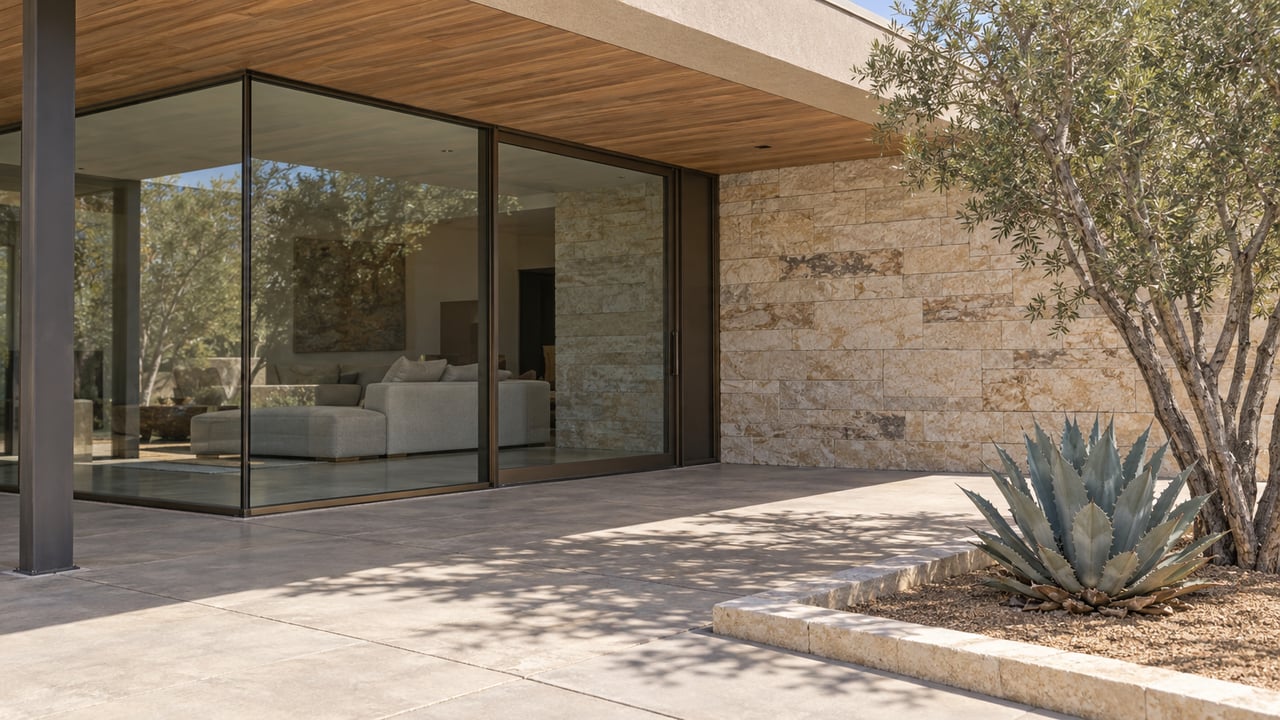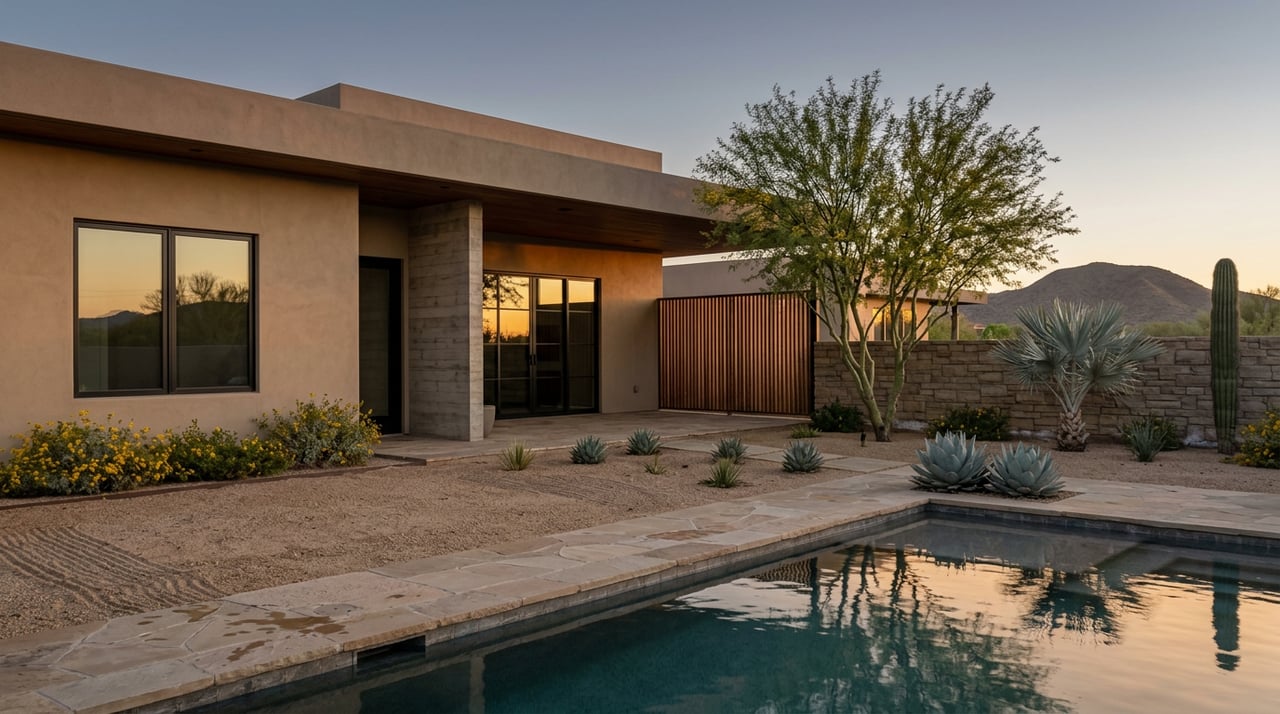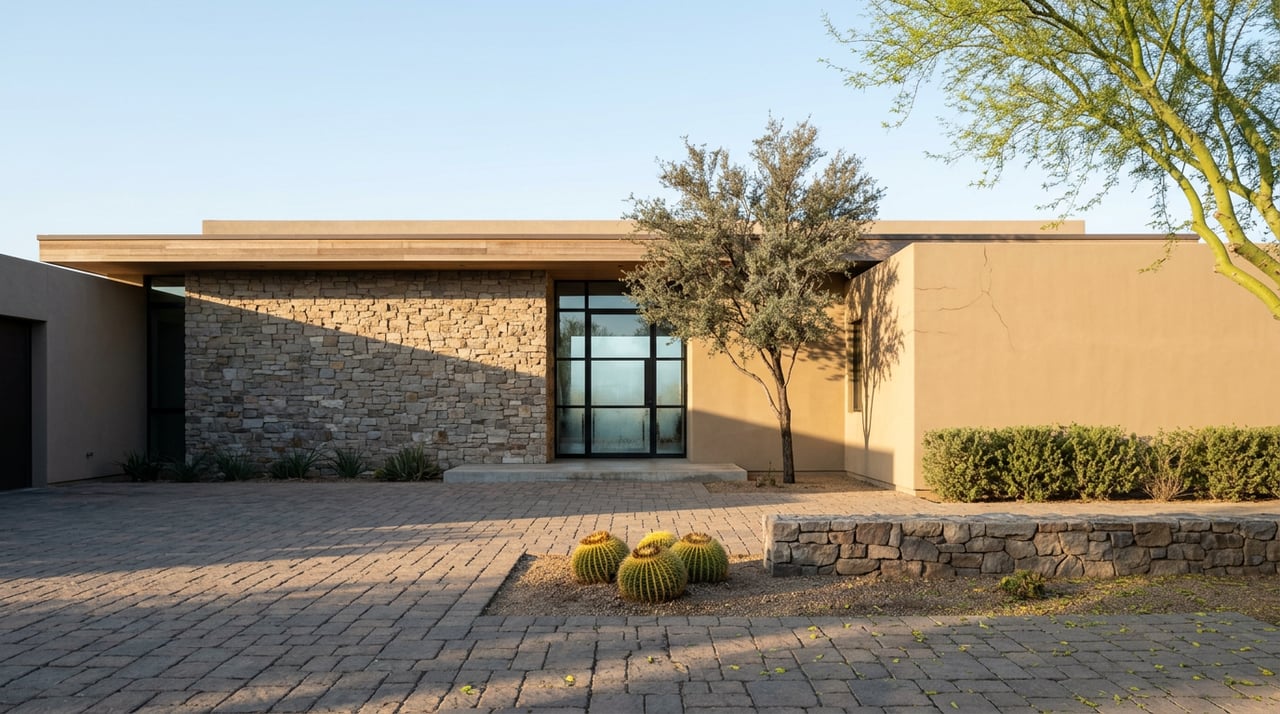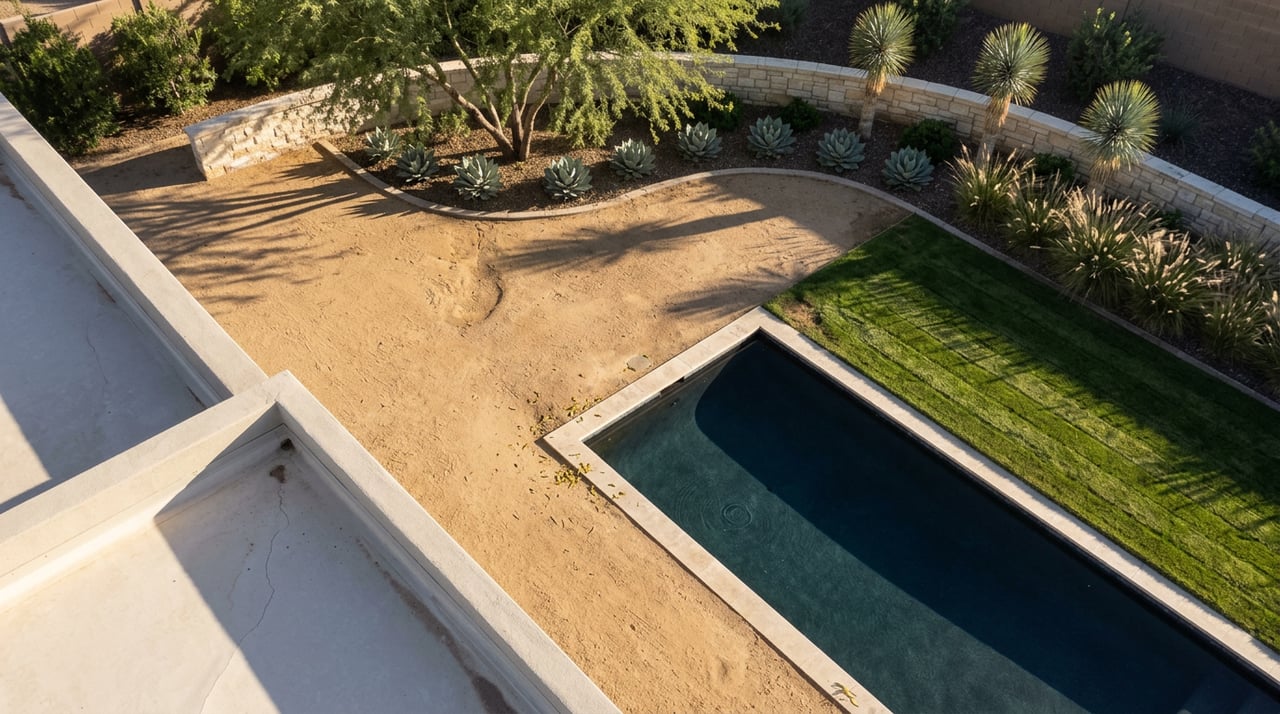
A buyer touring a renovated estate on a two-acre Paradise Valley lot rarely asks about the plumbing. The kitchen has been reimagined, the pool re-plastered, the primary suite opens onto a view of Mummy Mountain. Nothing about the walkthrough suggests that what happens next in escrow depends on a tank buried somewhere in the yard.
But it often does. A meaningful share of homes in the Town of Paradise Valley are not connected to a municipal sewer main at all. They run on private septic systems, the same infrastructure you'd expect on a rural five-acre parcel, not a home listed well into seven figures. Price and plumbing infrastructure simply don't move together here, and that gap is where deals lose momentum.
Planning for the Six-Month Inspection Window
Arizona law does not treat septic systems as optional disclosure. Under Arizona Administrative Code R18-9-A316, anyone selling a property served by a septic tank or an alternative on-site wastewater system must have that system inspected by a qualified inspector within six months before the closing date. The inspector completes a state form called the Report of Inspection, and the seller is required to hand that report to the buyer before the property transfers. The University of Arizona Cooperative Extension says that if the sale drags past that six-month window, the inspection has to be done again from scratch.
This rule doesn't care what the house looks like above ground. It doesn't scale with price. A $900,000 sale and a $9 million sale carry the identical requirement, and the requirement takes precedence over anything a purchase contract might say to the contrary, according to Maricopa County's own guidance for onsite wastewater ownership transfers. Waiting until escrow to arrange an inspection can put the closing date at risk while a certified inspector is scheduled, a tank is pumped, and a drain field is evaluated.
Two Providers, and Then Everyone Else
Paradise Valley's utility map is more fragmented than most buyers expect. The Town has two sewer providers: portions of the community are served by City of Phoenix Water Services, and other portions are served by a Town system that is actually operated and maintained by the City of Scottsdale. Which provider serves a given address depends entirely on where the parcel sits, and the Town publishes a map of the provider boundaries so an owner can check.
Then there's the third category, which the Town states plainly on its own site: a substantial number of properties within Paradise Valley are connected to neither provider. They run on septic. This isn't a footnote about older or more modest homes on the town's edges. It cuts across the price spectrum, in part because sewer lines never extended to every large-lot parcel, and in part because Paradise Valley's zoning has long favored acreage over density, which means fewer homes per mile of pipe and less incentive for utilities to build out the infrastructure.
What a Failed Inspection Actually Costs
The inspection itself typically includes pumping the tank unless a specific exemption applies, and inspectors need to physically assess the tank, the distribution box, and the drain field. Pumping alone commonly runs from a few hundred dollars up to $700 or more depending on tank size and how accessible it is, which on a hillside lot with a long driveway and mature landscaping is not a given.
If the inspection turns up a failing system rather than a functioning one, the numbers change considerably. Installing a new septic system, as opposed to simply servicing an existing one, has averaged around $7,310 in recent industry cost data, though the figure climbs with tank size and site conditions. On a large Paradise Valley lot with rocky soil or a steep grade, a straightforward pump-and-inspect can turn into a repair negotiation that neither the buyer nor the seller planned for at the offer stage.
Hillside Lots Complicate the Picture Further
Paradise Valley's terrain isn't uniform, and neither is its septic performance. Homes tucked into the foothills near Camelback Mountain or along the Scottsdale border often sit on rockier, more sloped ground than parcels closer to the valley floor. That terrain affects how a drain field disperses effluent over time, and it means a system that has functioned quietly for fifteen years on a flat lot might show wear sooner on a hillside estate. Sellers on these lots have more reason, not less, to get ahead of the inspection rather than treating it as a closing-week formality.
The Paperwork Trail Buyers Now Expect
The seller's obligation doesn't end with handing over the Report of Inspection. Once the property transfers, the buyer has 15 calendar days to file a completed Notice of Transfer with Maricopa County, along with a $50 fee, according to ADEQ's guidance on onsite wastewater notice of transfer and inspection. Buyers can add this step to their closing timeline so it is not overlooked.
Before You List: What to Pull Together
A seller who starts this process early, rather than after an offer arrives, controls the timeline instead of reacting to it. The sequence that works:
- Check the Town's sewer provider map to confirm whether your parcel connects to City of Phoenix Water Services, the Scottsdale-operated Town system, or neither.
- If you're on septic, search Maricopa County's records for any existing permit or prior inspection history tied to your parcel.
- Gather any pump receipts, maintenance contracts, or manufacturer documentation you already have on file. A documented maintenance history speaks well of the property and can shorten the inspector's work.
- Plan the transfer inspection early enough to address any issues, but within the six months before closing. A clean report becomes a selling point. A flagged repair becomes something you address on your own schedule instead of the buyer's.
- If repairs are needed, decide whether to complete them before listing or disclose them and price accordingly. Both are legitimate strategies, but only one of them is a surprise if you choose it in advance.
A Few Questions Worth Answering Directly
Does having a septic system lower a home's value in Paradise Valley? Not inherently. Given how common septic systems are across the Town, buyers and their agents generally treat a well-documented, recently inspected system as a normal part of large-lot ownership rather than a red flag. What affects value is uncertainty, not the system itself.
Can I just skip the inspection if I'm confident the system works fine? No. The requirement is a matter of Arizona rule, not a negotiable contract term, and it applies regardless of how confident anyone feels about the system's condition.
Paradise Valley's price points can create the impression that everything about these homes has been solved, updated, and modernized. Wastewater infrastructure is often the one system that hasn't caught up, and it's the one most likely to introduce a delay nobody priced into the transaction. Sellers who plan for the septic inspection before listing and schedule it within the six months before closing, rather than scrambling during closing week, are better positioned to keep their timeline intact.
If you're weighing a sale or a purchase on a larger Paradise Valley lot and want a clear-eyed read on what's actually under the property, not just what's staged inside it, Shawn Keeler can walk through the specifics with you. Let's Connect.
This article is general information, not legal, tax or financial advice. Consult a qualified professional about your situation.