Wondering whether Arcadia or Scottsdale should be your next address? It is a smart question, because this is not really a simple neighborhood-versus-city choice. You are comparing different lifestyles, home types, and price points across some of the Valley’s most desirable areas. If you want clarity on how Arcadia stacks up against Old Town, central Scottsdale, and north Scottsdale, this guide will help you sort the trade-offs and focus on the fit that matters most. Let’s dive in.
Start With the Geography
Arcadia is a Phoenix neighborhood, not a separate city. According to the City of Phoenix historic survey, the commonly cited Arcadia area sits north of the Arizona Canal and south of Camelback Mountain, between 44th Street and Scottsdale Road. The survey also notes that parts of the original 1919 Arcadia plat east of Invergordon Road are within Scottsdale city limits.
That detail matters because “Arcadia or Scottsdale” is not always a clean boundary line. In practice, Arcadia is best understood as a distinct neighborhood identity, while Scottsdale is a broader city with several submarkets. Your real decision is usually Arcadia versus a specific Scottsdale lifestyle.
Compare the Lifestyle First
Arcadia Lifestyle
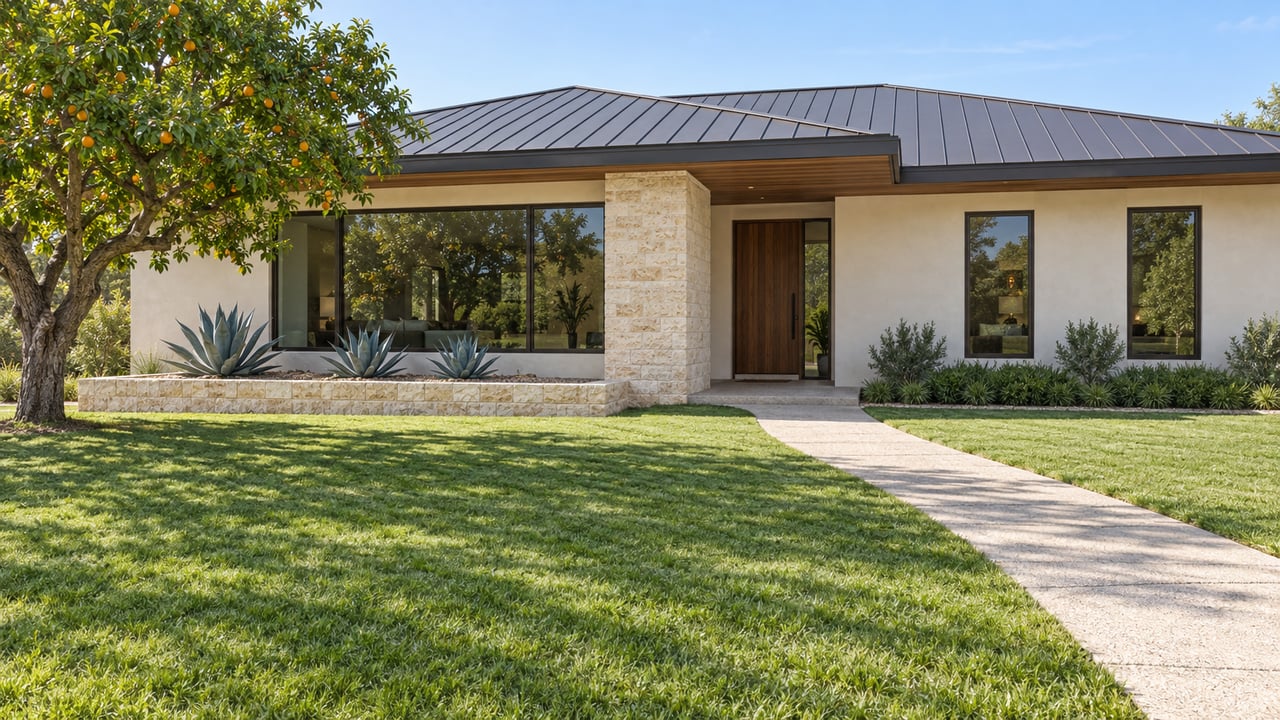
Arcadia is known for estate character, larger homesites, and a setting shaped by its rural history. The original Arcadia plat used five- to ten-acre lots and was marketed around irrigated homesites and citrus-grove living. That legacy still influences how buyers experience the area today.
You will not find one compact downtown core in Arcadia. Instead, the lifestyle is more tied to the canal, mountain adjacency, and outdoor routines. If your ideal day includes walking, biking, and enjoying a residential setting with a strong sense of place, Arcadia often stands out.
Old Town Scottsdale Lifestyle
Old Town offers Scottsdale’s most walkable urban environment. The city’s character-area plan supports higher-density housing, pedestrian-oriented districts, and multiple transportation options within a compact area. It is the clearest fit if you want a lock-and-leave setup close to dining, retail, and cultural destinations.
Old Town also brings a strong concentration of amenities. The city identifies the Civic Center, Arts District, Arizona Canal district, Scottsdale Fashion Square, and Entertainment District as major destinations. If you want a more connected, mixed-use feel, Old Town is usually the strongest Scottsdale comparison point.
Central and North Scottsdale Lifestyle
Scottsdale is not one uniform experience. City planning documents describe urban street areas in Old Town, suburban areas generally south of Pinnacle Peak Road, and rural areas generally north of Pinnacle Peak Road. That gives you a wide range of living patterns within one city.
Central Scottsdale can offer a broader suburban-retail balance, while north Scottsdale leans more toward open space, trail access, and lower-density living. If your priorities include outdoor recreation, Scottsdale has deep inventory, including the McDowell Sonoran Preserve with more than 30,500 acres and over 230 miles of trails, plus 150 miles of neighborhood trails and the 11-mile Indian Bend Wash Greenbelt.
Look at Housing Types
Arcadia Homes
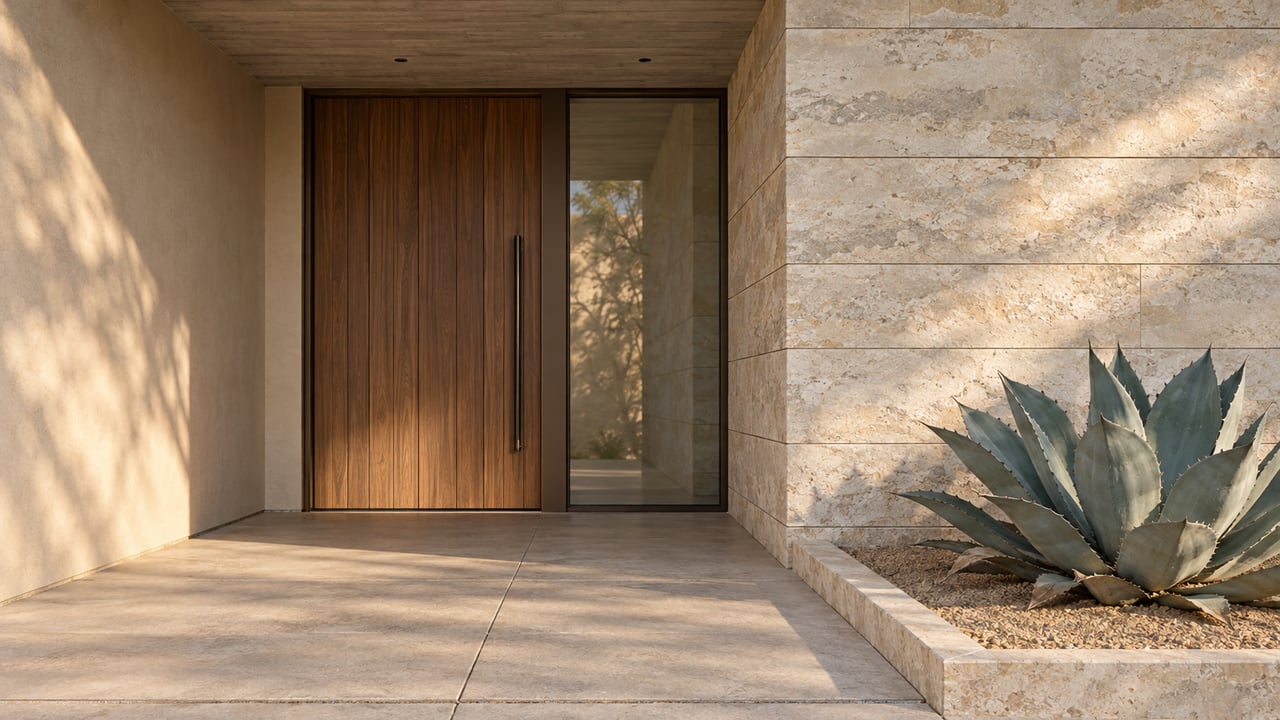
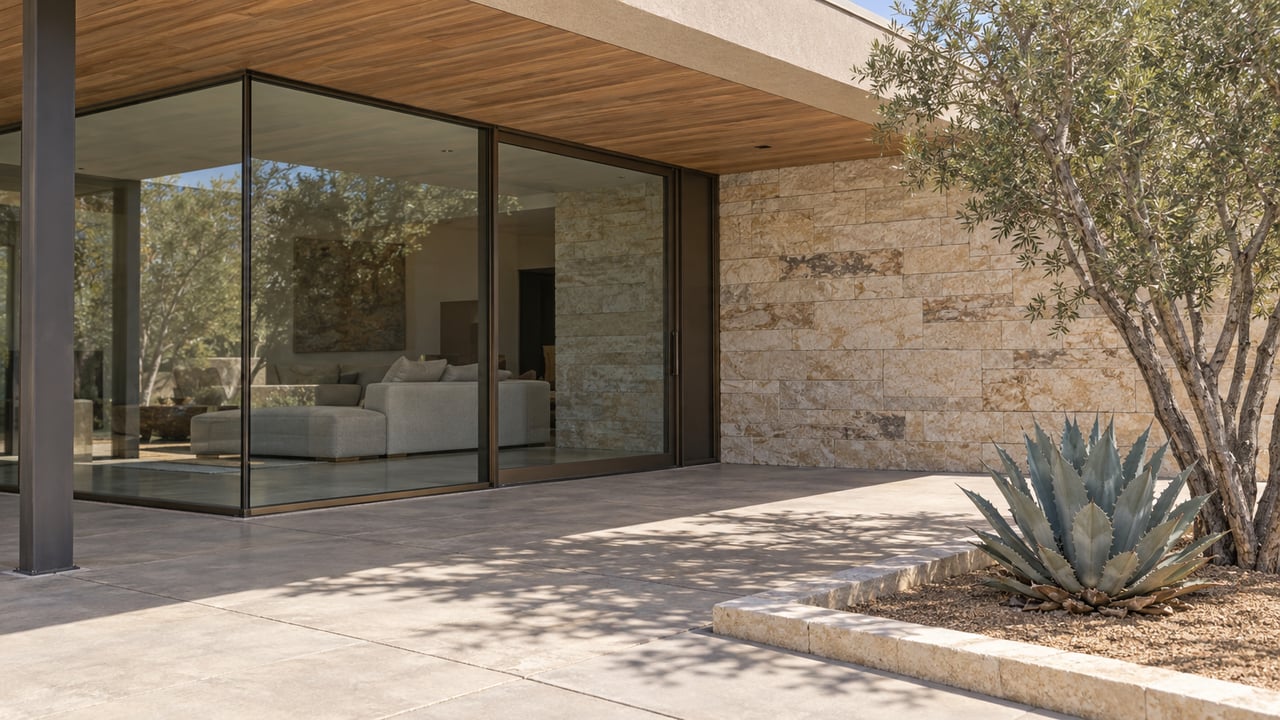
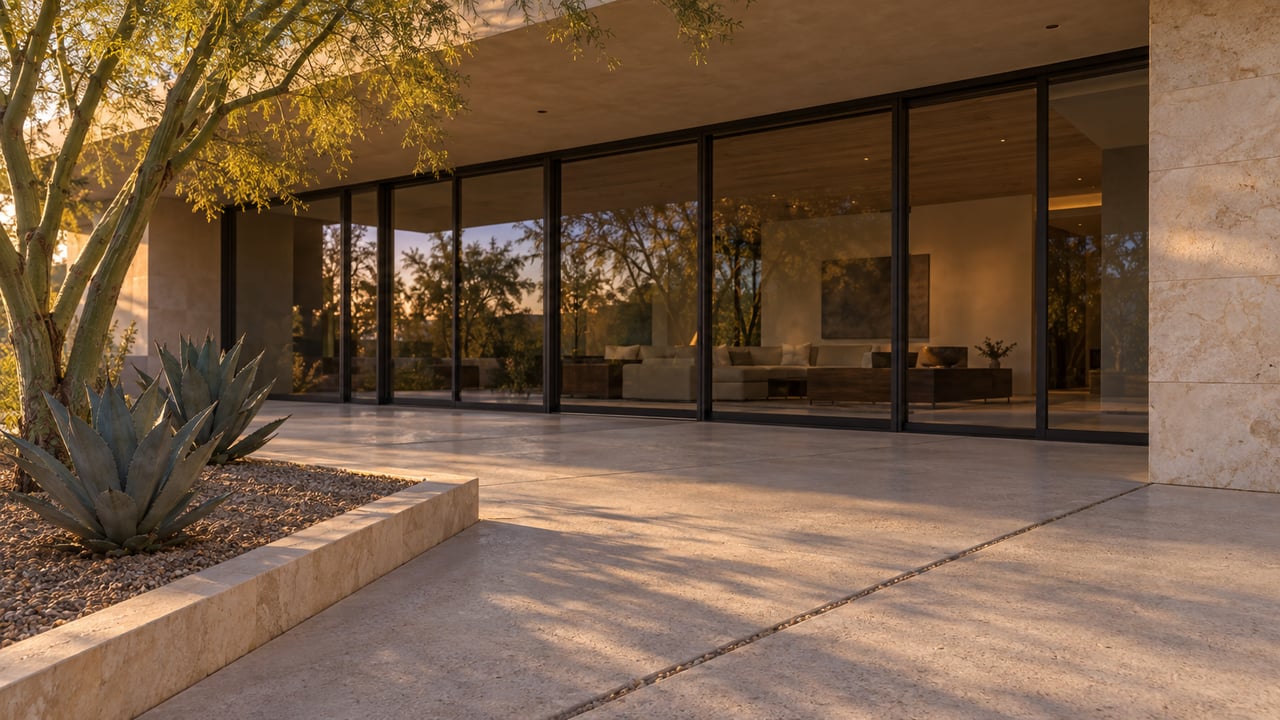
Arcadia generally leans toward the luxury single-family side of the market. Its history of large lots and estate-style development helps explain why the neighborhood feels different from many other parts of Metro Phoenix. Today, the nearby 44th Street and Camelback corridor includes a mix of single-family, multifamily, office, and commercial uses, but the area’s identity still centers on premium residential character.
If you want a larger lot, stronger separation from dense mixed-use areas, or a property with a more classic neighborhood feel, Arcadia often checks those boxes. It can also appeal to buyers who value scarcity and a recognizable neighborhood name.
Old Town Housing
Old Town is built around housing variety. Scottsdale’s plan calls for apartments, condominiums, lofts, townhomes, patio homes, and live-work units, all within a more pedestrian-oriented environment. That makes it a natural fit for buyers who want lower-maintenance ownership or a second-home setup.
For many buyers, this is where the Arcadia-versus-Scottsdale choice becomes clear. If you want a condo, townhome, or easier lock-and-leave option, Old Town is typically a better match than Arcadia.
Broader Scottsdale Options
Citywide Scottsdale spans both ends of the spectrum. You can find urban-style residences in Old Town, suburban options in central Scottsdale, and lower-density properties farther north. That range gives buyers more flexibility if they are still refining budget, lot size, maintenance goals, or access to trails and retail.
Compare Price Tiers
Current Redfin snapshots show a meaningful spread in median sale prices. Arcadia is about $1.32 million, Scottsdale city is about $954,000, and Old Town is about $560,000. Days on market also differ, with Arcadia at 56 days, Scottsdale city at 63 days, and Old Town at 71 days.
Here is the simple takeaway: Arcadia generally commands a premium, and Old Town offers a more accessible entry point within Scottsdale. That does not make one better than the other. It just means your budget may naturally point you toward one lifestyle over another.
| Area | Median Sale Price | Days on Market |
|---|---|---|
| Arcadia | $1.32M | 56 |
| Scottsdale City | $954K | 63 |
| Old Town Scottsdale | $560K | 71 |
If you are deciding between these areas, it helps to think beyond the headline number. A higher price in Arcadia may buy you larger land, more privacy, and a more established single-family setting. A lower price in Old Town may buy you convenience, lower maintenance, and stronger walkability.
Think About Daily Mobility
Arcadia Movement Patterns
Arcadia’s walkability works differently from Old Town’s. Phoenix identifies a public path along Arcadia Drive between the Arizona Canal and Lafayette Boulevard, and the Grand Canalscape provides a 12-mile multi-use trail system with lighting, seating, and signalized crossings. That supports an outdoor lifestyle centered more on paths and routines than on a concentrated downtown grid.
If you like early walks, bike rides, and movement through residential and canal-adjacent spaces, this pattern can feel appealing. It is less about stepping out to a dense cluster of destinations and more about enjoying the rhythm of the neighborhood itself.
Scottsdale Mobility Options
Old Town has the strongest transit and pedestrian framework in this comparison. Scottsdale’s transit page notes three fare-free trolley routes, 20-minute service, and connections to regional bus routes. That can make day-to-day movement easier if you prefer a more urban setup.
For buyers who want to be out and about without relying on a car for every short trip, Old Town stands apart. In broader Scottsdale, mobility becomes more car-oriented as you move away from the core, though trail access and major roadway connectivity remain important draws.
Weigh Long-Term Value Drivers
Arcadia and Scottsdale each have a credible value story, but they are not the same story. In Arcadia, the case is built around scarcity, identity, and limited supply tied to its large-lot history and established reputation. The City of Phoenix historic survey describes Arcadia as one of the best collections of rural estate residences in Phoenix, which helps explain why the neighborhood often carries a premium.
In Scottsdale, the case is broader and more data-driven. Scottsdale’s 2025 Housing Needs Assessment reports that the city’s median home sale price rose from $283,000 in February 2012 to $805,000 in February 2022, a 185% increase. The report says the comparatively steady pattern can be attractive to buyers and investors.
Scottsdale also continues to invest in its core areas. The Old Town plan was updated in 2024, the city’s 2025 fall paving season included a $7 million Old Town investment, and Scottsdale adopted a Shade and Tree Plan in 2026 to support cooler and more comfortable public spaces. If you are thinking about long-term livability and public-realm investment, those are meaningful signals.
Use These Decision Shortcuts
If you are still torn, these quick filters can help:
Choose Arcadia If You Want
- Larger lots and stronger estate character
- A neighborhood identity tied to Camelback and the canal
- A luxury single-family setting
- A residential feel shaped more by outdoor routines than a downtown core
Choose Old Town Scottsdale If You Want
- A walkable, mixed-use environment
- Condos, townhomes, lofts, or patio homes
- A lock-and-leave or second-home lifestyle
- Easier access to dining, retail, arts, and civic destinations
Choose North Scottsdale If You Want
- More open space and trail access
- Lower-density surroundings
- A more suburban or rural feel
- Outdoor recreation as a major part of daily life
Choose Broader Central Scottsdale If You Want
- A middle ground between urban and suburban
- More housing variety across price points
- Access to retail and everyday conveniences
- Flexibility if you are balancing lifestyle and budget
The Best Choice Depends on How You Live
If you picture your next home as a statement property with land, privacy, and lasting neighborhood cachet, Arcadia may feel like the stronger fit. If you want lower maintenance, more walkability, or a second-home-friendly setup, a Scottsdale submarket like Old Town may make more sense. And if your priority is trail access and open space, north Scottsdale deserves a close look.
The key is to compare lifestyles, not just ZIP codes. Once you match your budget, home type, and daily routine to the right submarket, the decision gets much easier.
If you want help weighing Arcadia against the right Scottsdale submarket for your goals, Shawn Keeler can help you evaluate lifestyle fit, asset quality, and long-term value with a clear local strategy.
FAQs
Is Arcadia a city or a neighborhood?
- Arcadia is a Phoenix neighborhood, not a separate city, though parts of the original Arcadia plat east of Invergordon Road are within Scottsdale city limits.
Is Arcadia more expensive than Scottsdale?
- Based on the research snapshot, Arcadia has a higher median sale price at about $1.32 million compared with about $954,000 for Scottsdale city and about $560,000 for Old Town.
Is Old Town Scottsdale more walkable than Arcadia?
- Yes. Old Town is Scottsdale’s clearest walkable core, with pedestrian-oriented districts and fare-free trolley service, while Arcadia’s walkability is more tied to canal paths and neighborhood routes.
What type of homes are common in Arcadia?
- Arcadia is generally associated with luxury single-family homes and larger lots shaped by its historic estate-style development pattern.
What type of homes are common in Old Town Scottsdale?
- Old Town includes a wider mix of apartments, condominiums, lofts, townhomes, patio homes, and live-work units.
Which Scottsdale area fits an outdoor-focused lifestyle?
- North Scottsdale is often the best fit if you want open space, lower-density surroundings, and strong access to major trail systems and preserve land.