If you are looking for a Phoenix neighborhood that feels established, social, and distinctly local, Arcadia likely keeps showing up for a reason. You want more than a pin on a map. You want to know how a place actually lives day to day, from the streetscape to the housing character to what your weekends might look like. This guide will help you understand what it is like to live in Arcadia and whether its blend of history, convenience, and outdoor access fits your goals. Let’s dive in.
Arcadia Has a Strong Sense of Place
Arcadia is a neighborhood within Phoenix, not a separate city, and its boundaries are not defined exactly the same way by every source. The City of Phoenix historic survey references the original 1919 Arcadia plat, while the Arcadia Camelback Mountain Neighborhood Association uses a smaller and more specific set of boundaries. In practice, that means Arcadia is best understood as a well-known local district rather than one rigid shape on a map.
That flexible definition does not make the neighborhood feel vague. In fact, Arcadia has one of the more recognizable identities in the Phoenix area. It is commonly described as a close-in neighborhood between Camelback Mountain and the Salt River, with a laid-back but stylish feel and a strong visual character.
There is also an active neighborhood association that represents about 8,800 people and 2,500 households according to the City of Phoenix. Its focus on preservation resources, block watch, and regular meetings points to a homeowner-driven culture. If you value community involvement and long-term neighborhood stewardship, that can be a meaningful part of daily life here.
Homes in Arcadia Feel Varied and Established
One of the first things many buyers notice in Arcadia is that the housing stock does not feel repetitive. The area began as irrigated citrus groves, and over time it developed into one of the central Salt River Valley’s notable collections of rural estate residences. That history still shapes how the neighborhood looks and feels today.
Arcadia’s historic core includes Pueblo Revival and Spanish Colonial Revival homes from the 1920s and 1930s. The City of Phoenix historic survey notes features such as adobe and stucco walls, clay tile roofs, parapets, vigas, courtyards, and low-pitched rooflines. Those details give parts of Arcadia a layered, estate-like feel that stands apart from a typical postwar subdivision.
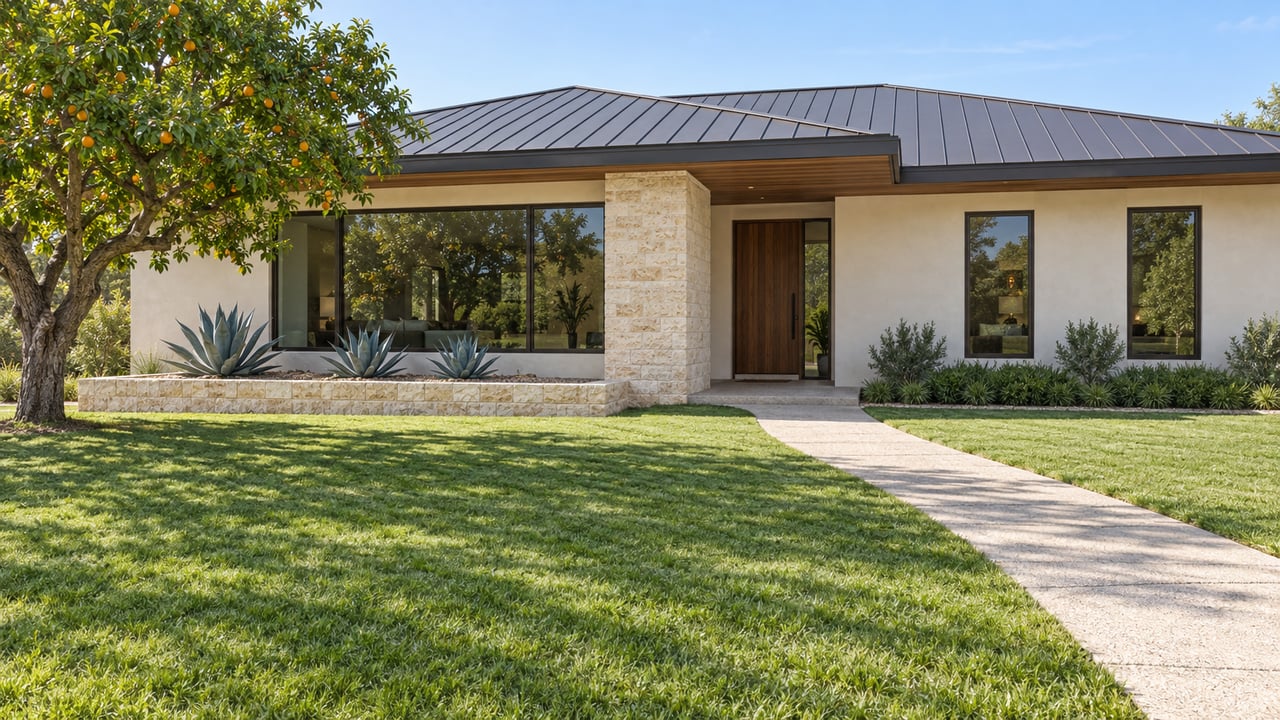
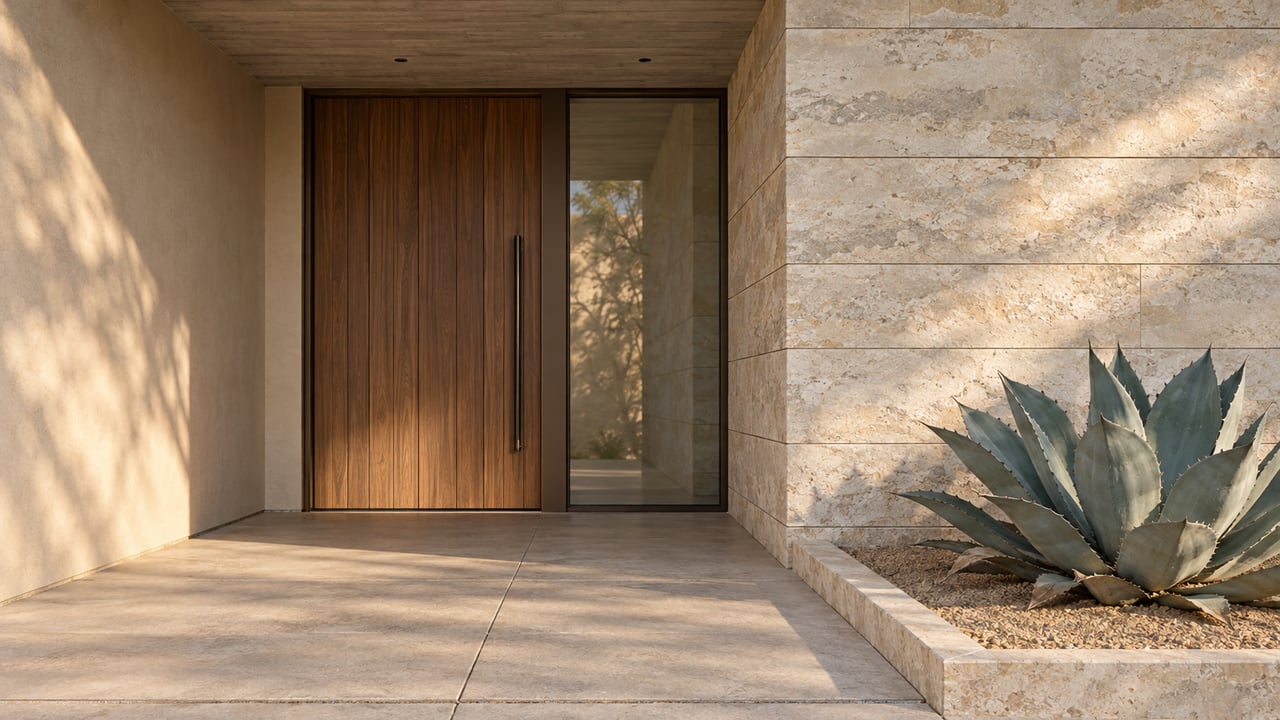
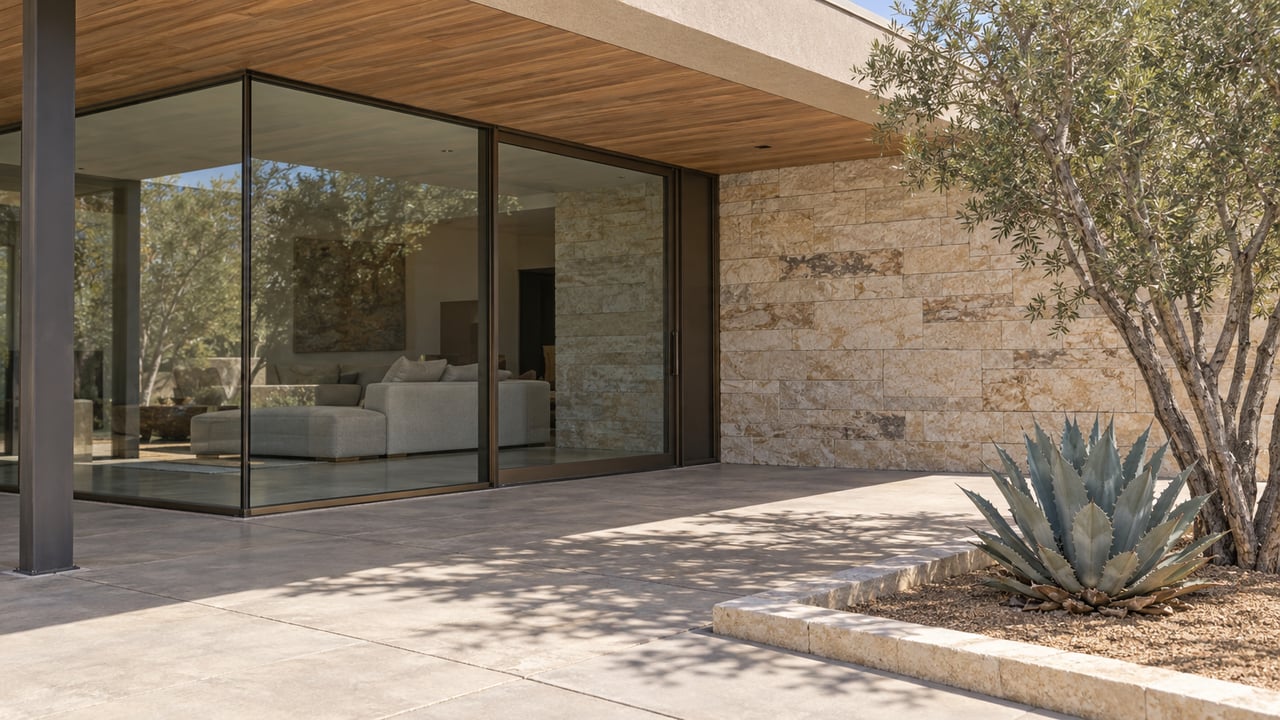
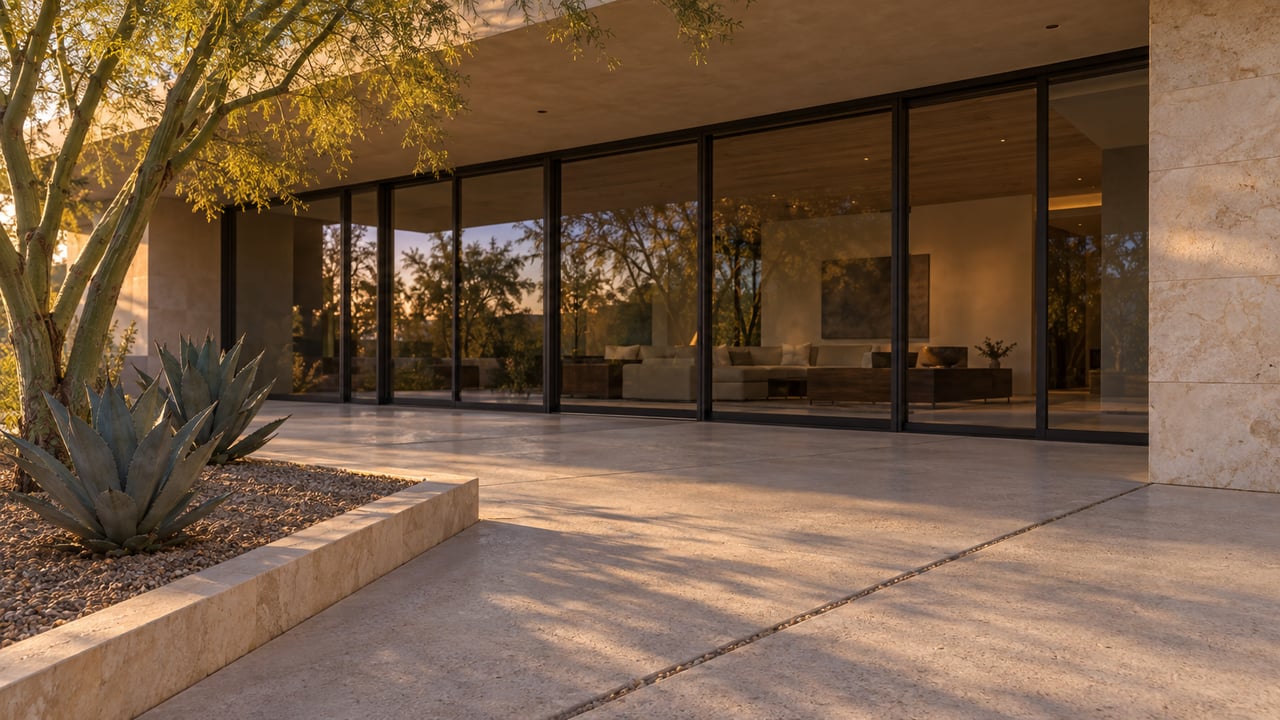
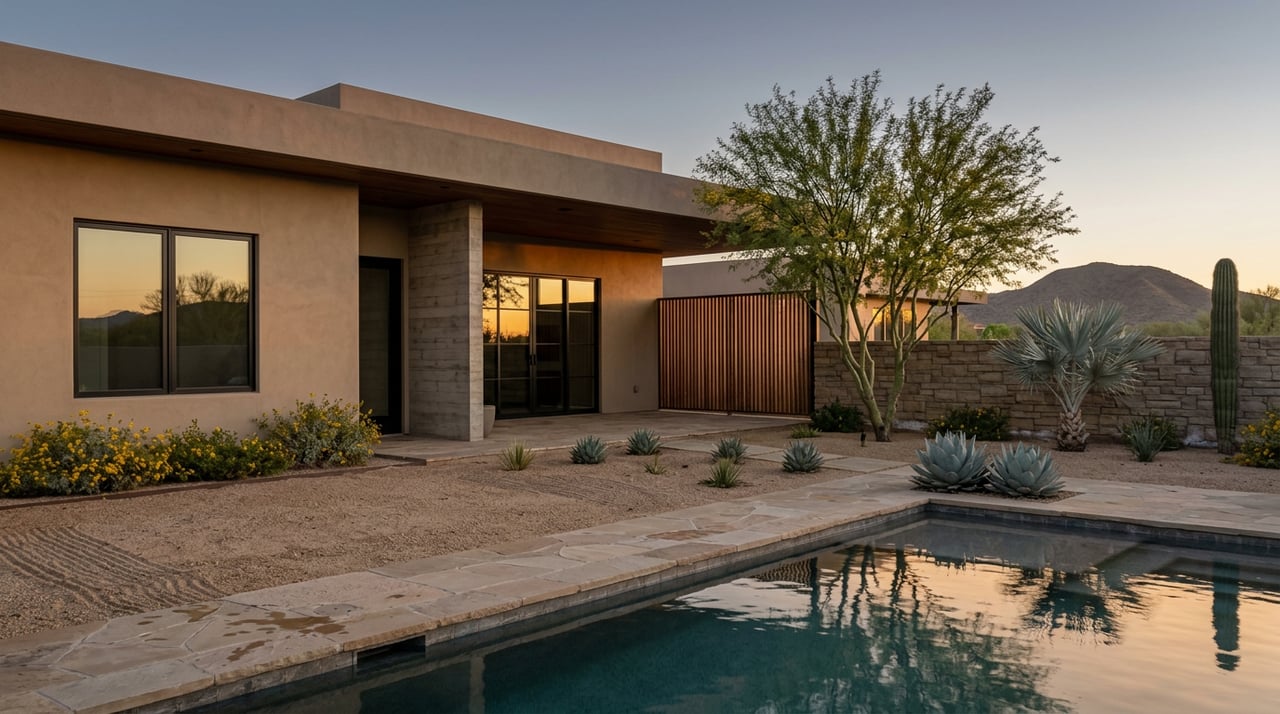
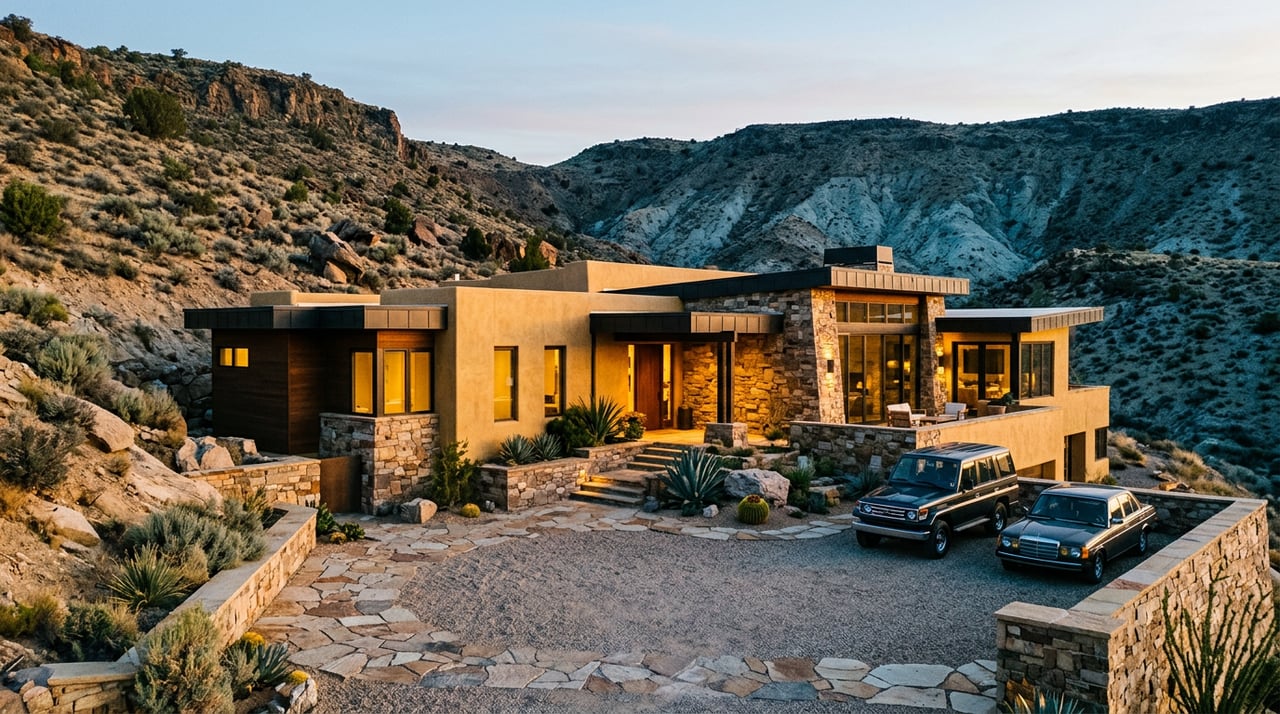
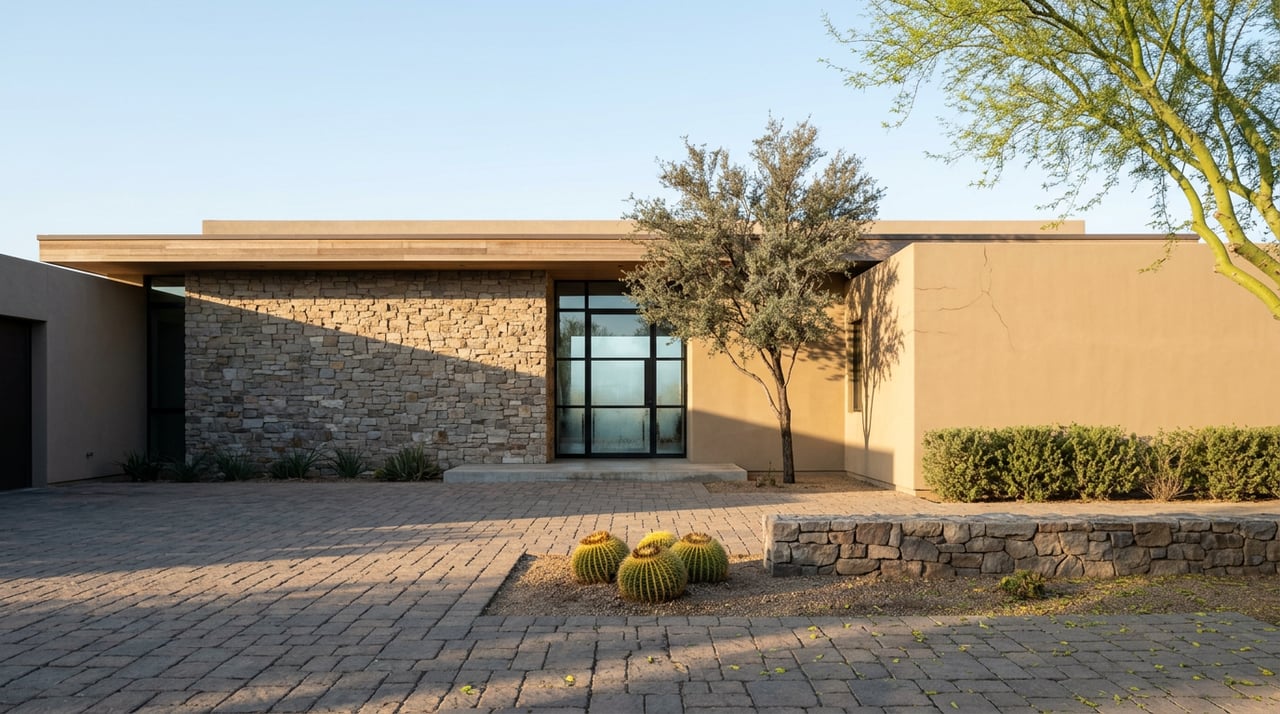
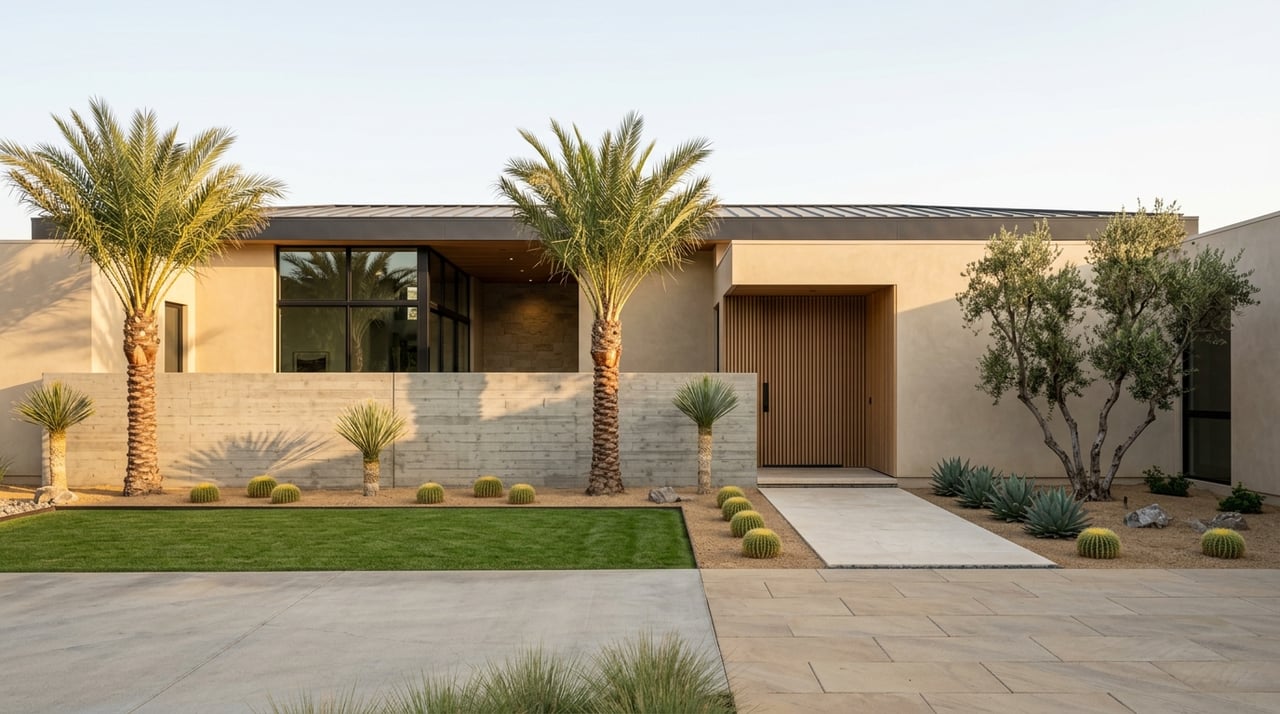
At the same time, Arcadia is not frozen in one era. You will also find mid-century ranch homes, remodeled properties, and newer custom rebuilds in a range of styles. That mix creates an eclectic streetscape where original character and newer design often exist side by side.
For some buyers, that variety is part of the appeal. It can give you more options depending on whether you prefer a historic home, a renovated ranch, or a newly built residence with a more modern layout. For owners of older properties, the City of Phoenix Historic Preservation Office also maintains resources such as the Historic Property Register and exterior rehabilitation assistance for eligible homes.
Daily Life Is Corridor-Based and Convenient
Living in Arcadia often means your routine revolves around a few key corridors rather than one single downtown-style center. Camelback Road, Indian School Road, and 40th Street are important parts of the neighborhood’s dining and everyday convenience story. That pattern tends to make errands, coffee runs, and weeknight dinners feel accessible without making the area feel overly commercial.
The restaurant scene is a major part of Arcadia’s identity. Local guides highlight neighborhood favorites such as LGO, Postino, The Henry, Buck & Rider, Steak 44, Beckett’s Table, The Vig, The Porch, Trevor’s, and The Stand. The overall feel leans social, patio-oriented, and casual but polished.
That matters because it shapes how the neighborhood functions beyond just home values and curb appeal. Arcadia is often the kind of place where people meet for brunch, gather for happy hour, or settle into a familiar patio spot close to home. If you want a residential area with a lively food scene built into everyday life, Arcadia stands out.
Shopping tends to be more curated than mall-driven. Local retail examples include Daiso, FOUND Arcadia, and urbAna, which reflect a mix of gifts, home goods, and specialty shopping. For many residents, that means day-to-day convenience nearby, with larger shopping or entertainment trips extending into nearby parts of Phoenix or Scottsdale.
Outdoor Access Is a Real Lifestyle Perk
Arcadia offers strong access to outdoor recreation, and that is a big part of why many people are drawn to it. Camelback Mountain is one of the area’s signature landmarks and a major hiking destination. The City of Phoenix notes that its main trails are rated Extremely Difficult, with limited parking and a year-round dog prohibition on the trails.
That makes Camelback Mountain a major amenity, but it is not necessarily an easy daily walk for everyone. If you are an avid hiker, being close to it can be a major benefit. If you prefer something more casual, Arcadia still gives you other ways to enjoy the outdoors.
The canal trails are one of the most practical examples. SRP says Greater Phoenix residents can use canal trails for free, and the regional system now includes more than 80 miles of canal trails. In the Arcadia area, these paths are popular for biking, jogging, and walking, and they connect conveniently to local dining spots.
You also have access to nearby outdoor spaces such as Arizona Falls, G.R. Herberger Park, Papago Park, Kachina Park, and Arcadia Park. Arcadia Park includes a playground, picnic area, restrooms, shade structures, and a volleyball court. Taken together, these spaces help the neighborhood feel active, usable, and tied to an outdoor routine.
Arcadia Balances Style and Comfort
One of Arcadia’s biggest strengths is its balance. It offers a strong architectural identity and social energy, but it still reads as a residential neighborhood first. That can be a compelling mix if you want access to dining and activity without feeling like you live in a dense urban core.
The neighborhood is often associated with leafy streets, historic charm, and a relaxed but stylish atmosphere. Those qualities are part visual and part practical. Larger lots in some sections, mature landscaping, and a mix of older and newer homes can create a feeling that is more settled and textured than newer master-planned areas.
For many buyers, this translates into a lifestyle that feels both polished and approachable. You can spend the morning on a canal path, meet friends for lunch nearby, and still come home to a quieter residential setting. That rhythm is a big part of what makes Arcadia so appealing.
School Planning Requires Address Verification
If schools are part of your decision, it is important to verify assignments by property address. Scottsdale Unified School District’s current district map shows an Arcadia Learning Community that includes Arcadia High School, Ingleside Middle School, Hopi Elementary School, and Tavan Elementary School. Arcadia High School also identifies itself as a public neighborhood school in Phoenix within Scottsdale Unified.
Because neighborhood boundaries and school assignments can be address-specific, it is wise to confirm details early in your home search. That step can save time and help you evaluate homes more clearly. In a neighborhood like Arcadia, where location nuances matter, those practical checks are part of making a smart move.
Who Arcadia May Fit Best
Arcadia tends to appeal to buyers who want a close-in Phoenix location with recognizable character. It can be a strong fit if you value a residential setting with architectural variety, outdoor access, and a restaurant scene that feels built into the neighborhood. It may also appeal if you are thinking not just about lifestyle, but about the long-term quality and identity of the area you choose.
This is not a one-note neighborhood. Some buyers are drawn to historic homes and preservation-minded streets. Others are looking for a remodeled ranch or a custom rebuild in a well-known location near Camelback Mountain and Scottsdale. That range is part of Arcadia’s staying power.
If you are weighing Arcadia against other high-value Phoenix-area neighborhoods, the key is to look beyond name recognition. You want to understand how the block feels, how the home fits your goals, and how the location supports your daily routine. That kind of clarity matters, especially in a neighborhood where character and value often go hand in hand.
If you are considering a move to Arcadia or comparing it with nearby Phoenix and Scottsdale neighborhoods, Shawn Keeler can help you evaluate the lifestyle, property fit, and long-term value with a clear, strategic approach.
FAQs
What is Arcadia in Phoenix known for?
- Arcadia is known for its historic roots, varied architecture, outdoor access, and a popular dining scene centered along corridors like Camelback Road and Indian School Road.
Is Arcadia a city or a neighborhood in Phoenix?
- Arcadia is a neighborhood within Phoenix, and its exact boundaries can vary depending on the source.
What types of homes are common in Arcadia?
- Arcadia includes historic Pueblo Revival and Spanish Colonial Revival homes, mid-century ranch houses, remodeled properties, and newer custom rebuilds.
What is outdoor recreation like near Arcadia?
- Arcadia offers access to Camelback Mountain, canal trails, Arizona Falls, Arcadia Park, and other nearby parks that support walking, biking, hiking, and everyday outdoor activity.
How convenient is dining and shopping in Arcadia?
- Arcadia’s convenience is largely corridor-based, with many restaurants, patios, coffee spots, and specialty retail options located along nearby main roads.
How do school assignments work in Arcadia?
- School assignments should be verified by property address, though Scottsdale Unified’s Arcadia Learning Community includes Arcadia High School, Ingleside Middle School, Hopi Elementary School, and Tavan Elementary School.